
Visual Pioneers Studio Service 05 of 06
BoxDesign
Mono carton, corrugated shipper or rigid gift box — structure settled first, artwork second, because a beautiful panel on the wrong flap is wasted ink.
Pick a box
A reverse tuck: the top flap tucks from the front and the bottom from the back, which lets the blanks nest tightly on the press sheet and waste less board than a straight tuck. The glue lap runs 15–18 mm and gets pasted under the back panel — anything printed on it disappears, so nothing important goes there.
A regular slotted carton. Every flap is the same depth — half the box width — so the outer pair meets exactly down the centre. The inner pair, hinged to the narrow panels, closes underneath and leaves a gap. Flutes must run top to bottom: turn them sideways and the box crushes under its own stack.
Two separate pieces — a base, and a lid that sits over it. The printed sheet wraps the board and turns in around every edge, so the artwork needs extra margin on all sides. The lid is a couple of millimetres larger than the base so it lifts off cleanly.
The cheapest way to look expensive: an unprinted or lightly printed tray with a printed band sliding over it. A repeat product only needs a new sleeve, not a new box, which is why subscription packs use it.
What youget
Everything the box maker needs, in one handover.
- A dieline with cut, crease and glue drawn as separate layers
- Artwork on every panel, flap and tuck, in the right orientation
- Barcode, batch panel and statutory text placed where they stay readable
- Corrugation direction marked, so the box does not bow in a stack
- A made-up 3D visual for approval
- Files the box maker can go to plate from directly
- The flat and the mockup together, so nobody has to imagine it
- Editable source for the size variants that always follow
What decides the design
Five structural facts that outrank any layout idea.
- Which panel faces the buyerOn a shelf it is the front. Inside a carton it is the top. On a courier pallet it is whichever side the label goes on. Design hardest for the one people actually see.
- The glue lapFifteen to eighteen millimetres of board that gets pasted underneath the back panel. Anything printed there is never seen again, so nothing important crosses it.
- Creases eat the artworkA steel rule pressed through board distorts whatever sits on the line. Type and logos get moved off every crease before the artwork is called final.
- Flute directionOn corrugated, flutes must run top to bottom. Turn them sideways and you get a box that crushes under its own stack, whatever the artwork looks like.
- The print method changes the artFlexo on brown corrugated cannot hold a soft gradient or fine photography. Bold line work survives it. We design for the press you are actually using.
- Carton board
- 250–350 gsm
- Glue lap
- 15–18 mm
- Bleed
- 3 mm all round
- Output
- CDR, AI, PDF
How a box gets designed
01
Structure
Box type, internal size and material, agreed before a single panel is drawn. This is where the cost is decided.
02
Dieline
Cut, crease and glue drawn on separate layers, so the box maker can read it at a glance instead of guessing.
03
Artwork
Every panel laid out on the dieline and checked against the folds, laps and creases it has to live with.
04
Mockup and files
A made-up 3D view for approval, then plate-ready files in the format your box maker asked for.
Work of this kind
Printed,and out there
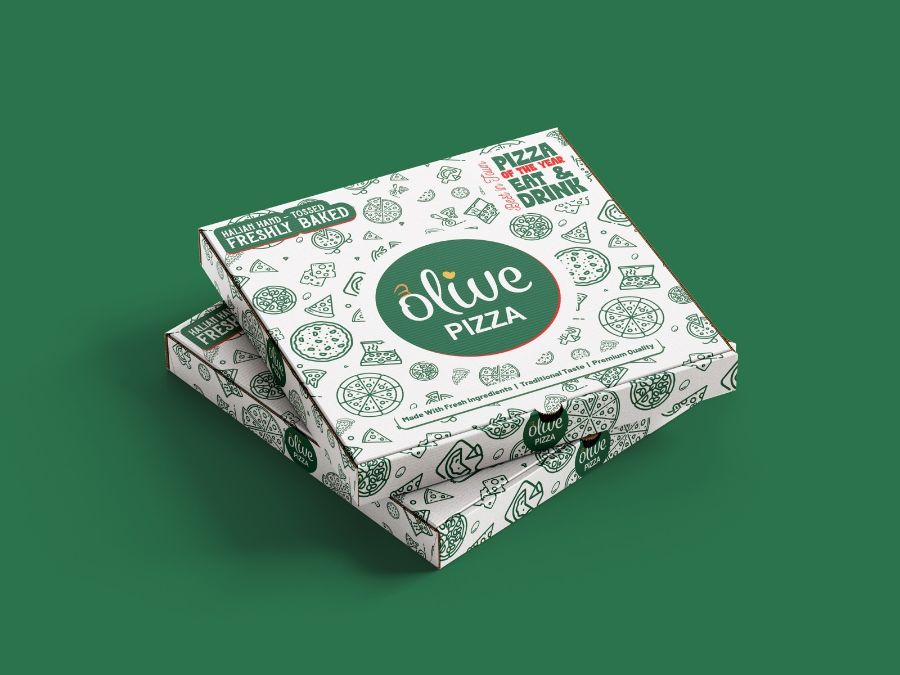
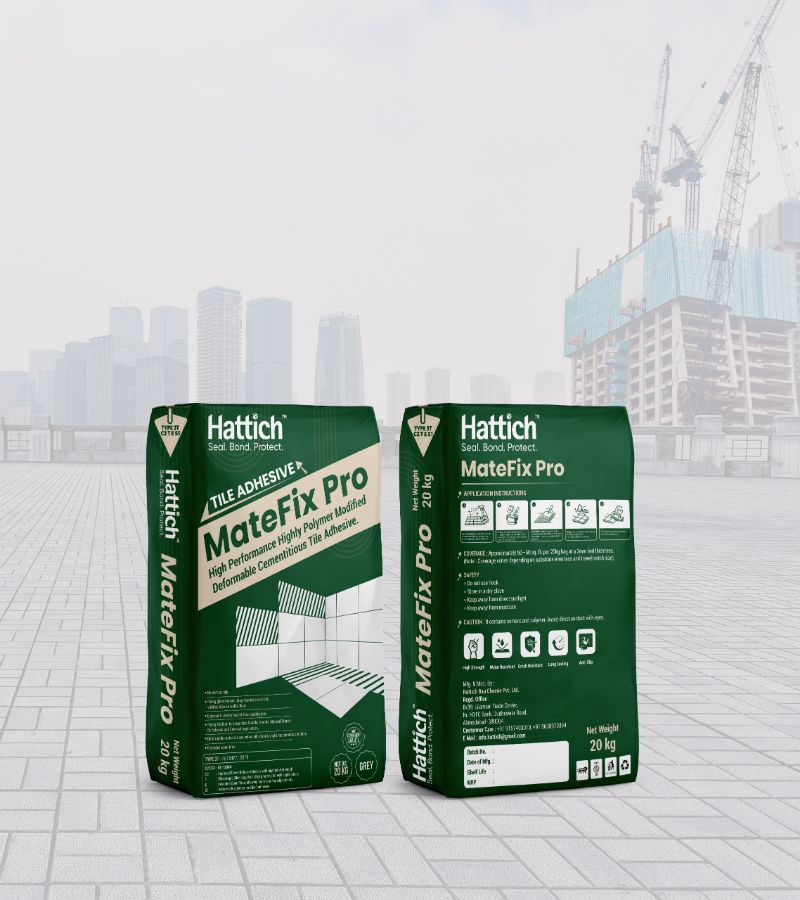
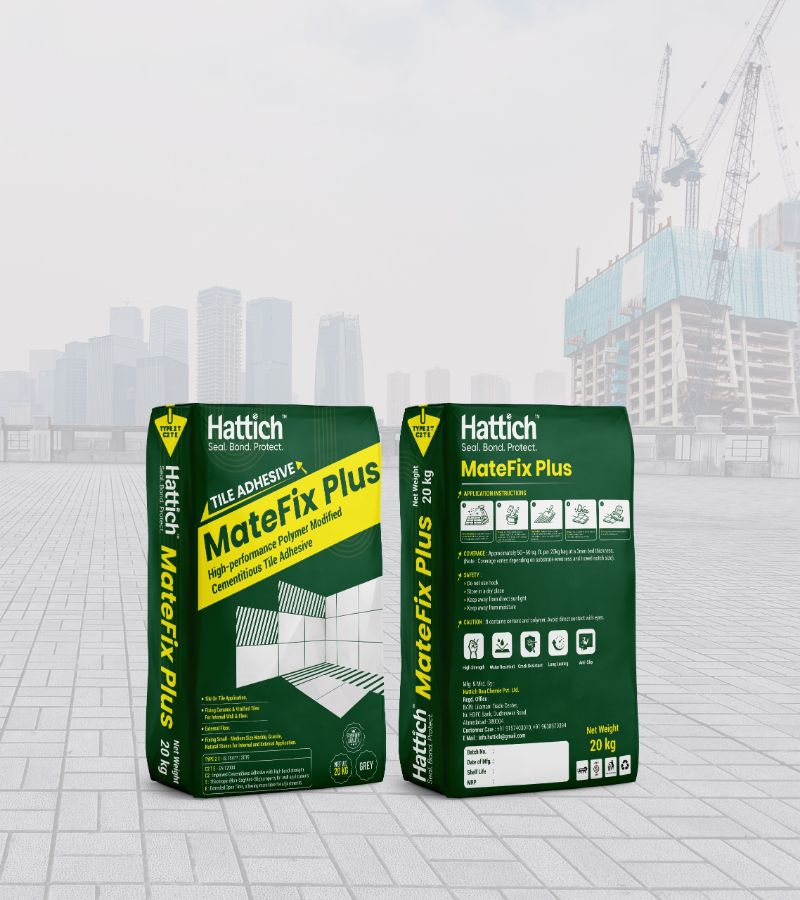

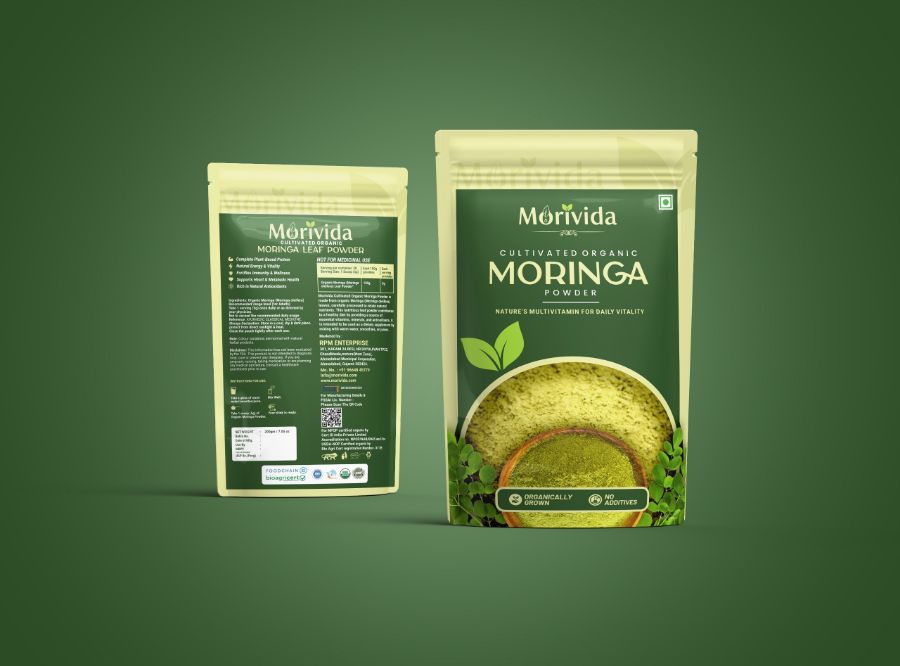

Questionswe get asked
Measure the product, then add clearance for any insert or padding. Internal dimensions are what matter — tell us the internal size and we work outwards from there, because board thickness changes the outside.
Either. If your box maker already has a die, use it — it costs you nothing extra and it is guaranteed to run. If not, we draw one to standard structural dimensions and they confirm it before anything gets printed.
With a Pantone reference, yes. Matching from a photograph or from a screen is guesswork, because every screen is different. Send a physical sample and we specify the ink against it.
A mono carton is a single layer of printed board — the unit that sits on the shelf. Corrugated is the fluted brown box that carries thirty of those to the shop. Most products need both.
No, we design them. We hand your box maker a file they can use directly, which is usually the step where things go wrong when nobody does it properly.
Get the structure right and the artwork looks after itself.
Tell us what goes inside. We will draw the box around it.